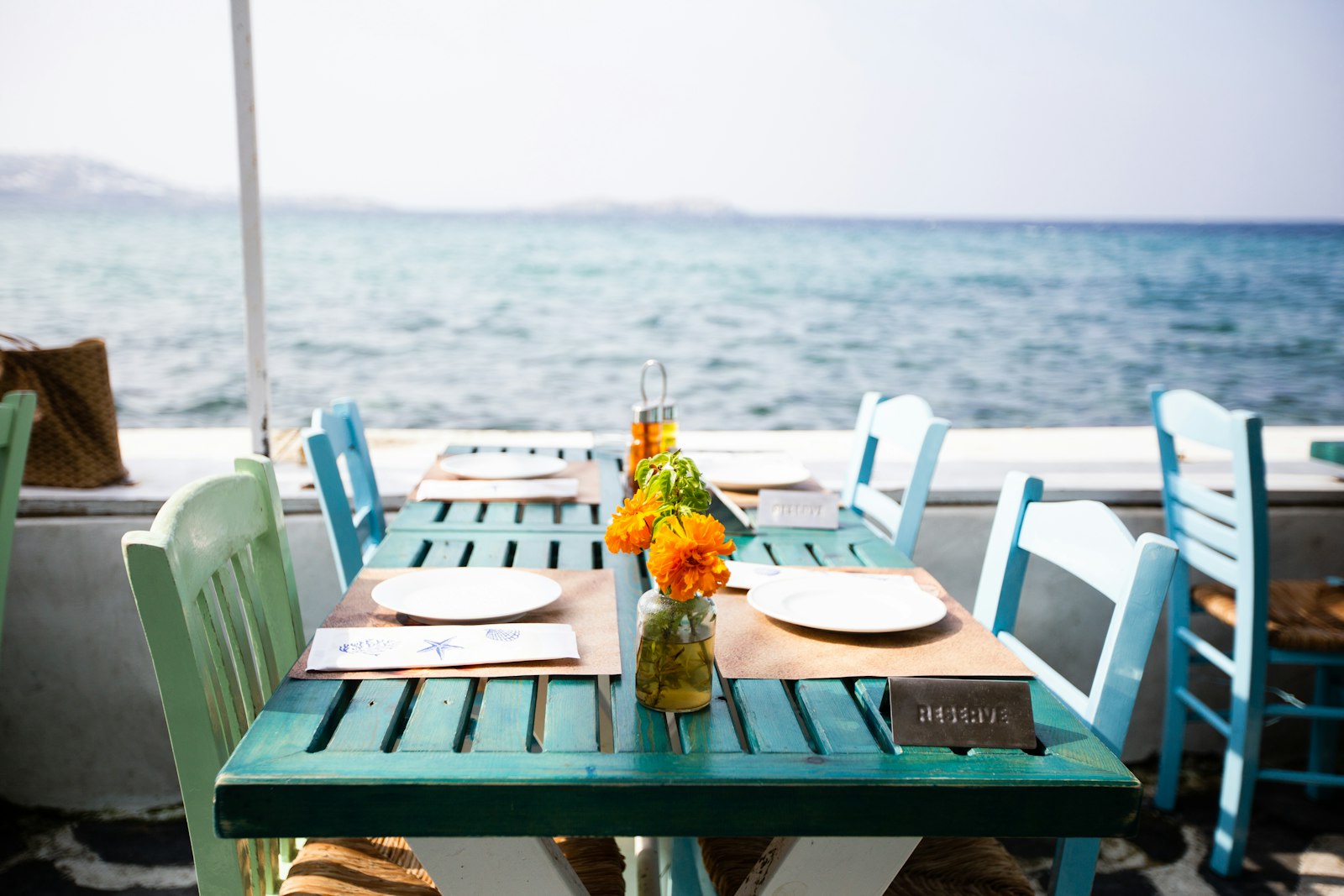
Here is the trap that catches almost every restaurant owner in a tourist market: you assume loyalty programs are for places where the same people walk in every week. A diner in suburban Ohio. A pizza spot near a college campus. Not your beachfront restaurant in St. Thomas, or your terrace spot in the Riviera Maya, or your harborside kitchen in St. Croix.
Your guests are here for a week. They leave. They never come back.
Except — a lot of them do come back. Caribbean and Riviera Maya destinations have some of the highest repeat visitor rates in travel. People who fall in love with a place return to it. They book the same villa they rented two years ago. They request the same table. And if you gave them a reason to come back to your restaurant specifically, they remember.
The problem is not that loyalty is impossible in your market. The problem is that most tourist-market restaurants build loyalty programs designed for the wrong guest. They optimize for locals who visit weekly, ignore the repeat visitor who shows up once a year with a reservation for four, and then wonder why nobody uses the punch card.
Here is how to build a program that actually works for both.
Understand Your Two Loyalty Audiences
Before you build anything, be honest about who you are actually serving.
Locals and long-term residents. In the USVI, these are the people who live there year-round, work at other properties, send visitors your way, and represent consistent weeknight revenue outside of peak season. They are your base. Without them, your slow months collapse.
Repeat visitors. These are travelers who come back to the same destination — sometimes the same month every year, sometimes every other year. They are not frequent enough to justify a typical stamp-card loyalty program, but they influence an outsized number of decisions: they recommend you to friends, they bring a group when they return, and they spend more per visit because they already trust you.
A functional restaurant loyalty program for your market has to serve both. They need different mechanics and different motivations.
The Locals’ Program: Simple, Valuable, Frictionless
Local regulars do not want a complicated app. They want to feel recognized and rewarded for choosing you over the other spots.
What works:
A points-based system that rewards spend, not visits. $1 spent = 1 point. 200 points = $20 credit. Simple enough to explain at the table, valuable enough to matter. Avoid free-item rewards that create operational hassle (free dessert programs are notoriously abused and hard to track manually).
An early-access or priority reservation perk. Locals care about getting a table on Friday night in peak season when tourists pack your dining room. If loyalty members can call or text a reservation line that is not open to the public, that is worth more than any food credit.
A birthday or anniversary recognition. A personalized message and a free glass of wine or a small credit on their birthday costs almost nothing and generates disproportionate goodwill. For local regulars, being remembered is the loyalty.
How to run it without expensive technology. Square Loyalty integrates directly with Square POS and handles points tracking automatically. Toast has built-in loyalty features. If you are on a simpler system, even a Stamp Me or Fivestars app works. The goal is not perfection — it is consistency.
The Repeat Visitor Program: Email Over Points
Repeat visitors are not going to accumulate points fast enough for a traditional loyalty program to matter. They are here for 7-10 days, they eat at you two or three times, and then they leave for 12 months. By the time they come back, any points they earned are forgotten.
What works for repeat visitors is a different mechanic entirely: recognition and anticipation.
Capture the email. Every guest who has eaten with you is a potential repeat visitor. Get their email. Put a QR code on the check presenter that leads to a simple opt-in: “Join our newsletter for special offers and news from [Restaurant Name].” Use your reservation system (OpenTable, Resy, Tock) to capture email addresses at booking. Offer the wifi password in exchange for an email opt-in at the table.
Send one email per quarter. This is not a weekly newsletter. It is a seasonal touchpoint. What’s new on the menu. What’s happening at the restaurant this season. A “back by popular demand” note about a dish. A special rate for guests returning this winter. Four times a year, you land in an inbox and remind someone that they loved your terrace and should plan a return trip.
Make the return feel personal. If a guest is making a reservation and mentions they visited before, note it. If they are a repeat guest who has noted a preference (same table, dietary restriction, anniversary dinner), use it. This does not require software — it requires a staff culture that takes notes and acts on them.
Bridging the Two: The “Founding Member” Frame
One of the most effective tactics for tourist-market restaurants is the founding member or VIP insider concept. It layers over both audiences.
The pitch: join our inner circle, get priority reservations, occasional exclusive events, first access to new menu nights, and direct contact with the manager.
For locals, this scratches the “I’m a regular” status itch. For repeat visitors, it turns their annual trip into something they plan around (“We always go to [Restaurant] — we’re members”).
You can run this as a paid annual membership ($50-$150/year depending on your price point) or as an earned status (spend $500 in a calendar year, you are in). Paid memberships have the advantage of creating a committed pool of guests who psychologically feel obligated to use the benefit. Earned status has the advantage of not requiring any upfront commitment from the guest.
In high-end Riviera Maya and USVI markets, paid membership at the $100-$150 range is realistic if the benefits are clearly communicated and the restaurant has sufficient cachet.
What Not to Do
Do not build a complicated app that requires download. App-based loyalty programs have poor adoption unless you are a chain with massive marketing budgets. Most guests will not download an app for one restaurant.
Do not use a punch card. They are easy to abuse, hard to track, and feel cheap at a restaurant where the average check is $60+.
Do not ignore the platform your guests already use. OpenTable, Resy, and Google all offer review and remarketing tools. If guests are already booking through these platforms, use the built-in guest management tools before investing in standalone loyalty software.
Do not let the email list go cold. If you collect 200 emails and then never send anything, those addresses decay. People forget they signed up, and when you do finally send something a year later, the unsubscribe rate is high. Send something within two weeks of collection, even if it is just a welcome note.
Measuring Whether Your Program Is Working
The metrics that matter for a tourist-market restaurant loyalty program:
- Return visit rate: what percentage of guests in your POS or reservation system appear more than once in a 12-month window? Even 10-15% is meaningful in a tourist market.
- Email list growth rate: are you adding 20-50 new addresses a month?
- Email-driven covers: how many reservations or walk-ins come from email campaigns? Most email platforms track link clicks; pair that with a booking link to measure attribution.
- Average spend of loyalty members vs. non-members: loyalty members at well-run programs typically spend 15-25% more per visit. If you are not seeing that, the program needs adjustment.
Pair your restaurant loyalty program with the profile guests actually find
A restaurant loyalty program brings people back, but something has to bring them the first time. For most island and resort-town restaurants that first touch is Google, and Google is specific about what moves the needle. Its guidance on local ranking names three factors: relevance, distance, and prominence. Prominence is the one you can influence, and it is driven heavily by review volume and quality. A loyalty program that quietly prompts a review after a good meal feeds the exact signal that gets you found.
Watch what happens afterward in your profile performance data, which shows how people found you and what they did next. If searches climb while loyalty signups stay flat, the problem is your signup ask, not your restaurant loyalty program itself.
FAQ
Do restaurant loyalty programs work in tourist-heavy markets? Yes, but they need to be designed for two audiences: local regulars and repeat visitors. A single punch-card model fails because it only rewards frequent visits, which most tourists cannot accumulate. Email-based engagement for visitors and points-based recognition for locals is a more effective split.
What is the easiest way to start a restaurant loyalty program? If you use Square or Toast, start with their built-in loyalty features. They are inexpensive, require minimal setup, and collect data in a system you already use. Add an email capture step at the same time, using a QR code opt-in at the table. Do not over-engineer the first version.
How do I get tourists to join a loyalty program they may only use once a year? Frame it around the annual trip rather than weekly visits. “Join our VIP list and we’ll save your favorite table for next season” is more compelling to a repeat visitor than a points program they cannot use until their fourth visit.
Should my restaurant loyalty program be free or paid? Free programs have higher enrollment but lower engagement. Paid programs ($50-$150 annually) have lower enrollment but much higher engagement and create a self-selected group of high-value guests. For upscale properties in the USVI or Riviera Maya, a paid VIP program is worth testing. For a casual beach bar or café, keep it free.
Building Loyalty That Survives Your Slow Season
The restaurants that outlast peak season in island and resort markets are not the ones with the best views — they are the ones that built a base that shows up in November and April. A thoughtful loyalty program is one part of that.
If you want help building a guest retention strategy specific to your restaurant’s market and guest mix, Houseful Co. works with independent restaurant operators across the USVI, Caribbean, and Riviera Maya. Reach out at hello@housefulhospitality.com or visit housefulhospitality.com.
Related Field Notes
- Restaurant email marketing: reach diners between visits
- Hotel email marketing: turn past guests into rebookings
- All Field Notes