Short answer: how to start a vacation rental business comes down to five moves. Validate the numbers on one specific property, get licensed and tax-registered, furnish and photograph it properly, list on Airbnb and Vrbo to fill the calendar fast, then start moving repeat guests onto your own booking channel so the platforms stop taking 15 percent of everything. That last move is the one most new operators skip, and it is the difference between a rental that pays you and a rental that pays Airbnb.
Most guides on how to start a vacation rental business stop at the listing. That is where the real work actually begins.
We build websites and booking systems for small hospitality operators in the US Virgin Islands, the wider Caribbean, and the Riviera Maya. We see the same pattern constantly. Year one looks great. Year three, the owner is working just as hard and keeping less. Here is how to set it up so that does not happen to you.
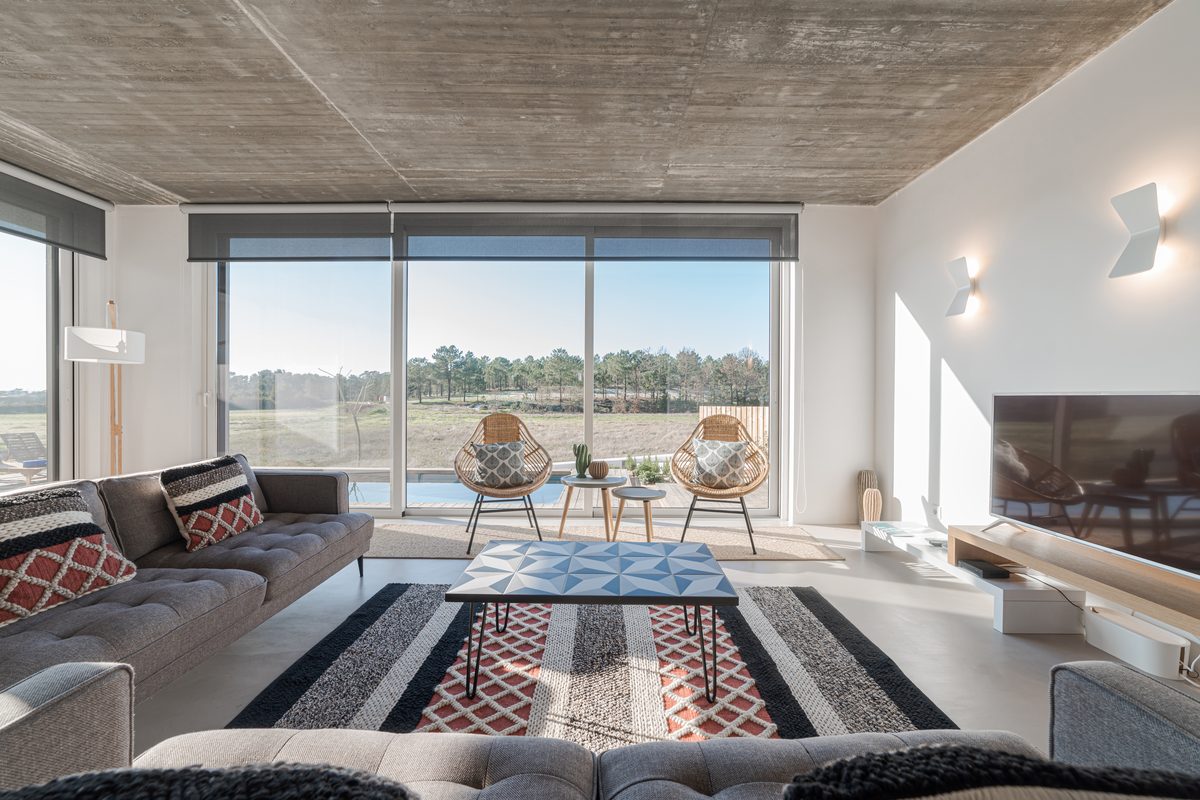
How to start a vacation rental business, step by step
1. Underwrite one real property, not a spreadsheet fantasy
Pick an actual address. Pull the last twelve months of comparable listings in that neighborhood, not the whole island. Look at nightly rate and occupancy separately, because a $400 nightly rate at 38 percent occupancy loses to a $260 rate at 70 percent. Then subtract everything: mortgage or rent, insurance, property tax, utilities, internet, cleaning, restocking, repairs, and platform fees. If the number is thin before you have had a single bad month, walk away and find another property.
2. Get the license before you get the furniture
Every jurisdiction is different, and the ones with tourism economies tend to be the strictest. In the US Virgin Islands, the Department of Licensing and Consumer Affairs requires a dedicated short-term rental license for stays under 90 days. Short Term Rental A covers properties sleeping five or more and runs $260 a year. Short Term Rental B covers up to four guests at $195 a year. Both require zoning approval, a fire inspection, a police record check, and tax clearance from the Bureau of Internal Revenue. Start that paperwork early, because the inspections are the slow part. The official steps are listed on the DLCA business license page.
3. Register for the room tax and know who remits it
USVI short-term rentals owe a 12.5 percent Hotel Room Tax on the gross room rate, filed monthly with VIBIR on Form 722 V.I. Airbnb collects and remits that tax for its bookings under a longstanding agreement with the territory. Most other channels do not, and neither does your own website. That means the moment you take a direct booking, the room tax is your job. Build it into your rate and set the money aside the week it lands.
4. Furnish for photos and for durability
Guests book from ten photos on a phone screen. Spend where the camera looks: bedding, the main seating area, the view, the kitchen counter, the outdoor space. Save money on the things guests never photograph. Then buy commercial-grade versions of whatever gets abused, which in the islands means the AC unit, the mattress protectors, the outdoor furniture, and anything with a motor. Salt air eats consumer hardware.
5. Get real photography
This is the highest-return money in the whole launch. A half-day shoot costs a few hundred dollars and lifts your click-through rate on every channel forever. Shoot at golden hour, shoot the property styled and lived-in, and get one hero image that reads clearly at thumbnail size.
6. List on the OTAs to fill the calendar
You have no reviews and no traffic, so yes, start on Airbnb and Vrbo. They will bring you guests faster than anything else in month one. Just go in knowing exactly what it costs. Airbnb now charges most hosts a single host-only service fee of 15.5 percent of the booking subtotal, deducted straight from your payout, with the remaining independent hosts being migrated onto it through 2026. Airbnb explains the change on its own service fee resource page. Vrbo’s pay-per-booking model runs 5 percent commission plus 3 percent payment processing, roughly 8 percent all in, per its official help documentation.
7. Price it like a business, not a hobby
Set a floor rate you will never go below, a shoulder-season rate, and a peak rate. Adjust weekly, not daily, until you have a full season of data. Our guide on how to price your vacation rental walks through the actual method, and vacation rental revenue management covers what to do once you have two properties.
8. Systematize the turnover
Write the cleaning checklist down. Photograph the finished state of every room and give that to your cleaner as the standard. Keep a spare set of linens for every bed so a same-day turn never depends on a dryer. This is boring, and it is the thing that protects your reviews.
9. Start collecting guests from day one
Every guest who stays with you is a person who already liked your property. Capture the email address, ask for the direct rebooking, and give them a reason to skip the platform next time. More on that below.
What it costs to start a vacation rental business in year one
When owners ask how to start a vacation rental business, this is usually the part they mean. Rough, honest ranges for a two-bedroom Caribbean property, excluding the property itself:
- Licensing and inspections: $200 to $600
- Furnishing and setup: $12,000 to $30,000
- Photography: $400 to $1,200
- Insurance (short-term rental rider or commercial policy): $1,500 to $4,000 a year
- Website and booking engine: $0 if you stay OTA-only, or a few thousand to own the channel
- Working capital for the first slow season: three months of fixed costs, minimum
The last line is the one people underfund. Caribbean seasonality is brutal. September and October will test you.
The OTA math nobody shows you
Here is the number that changes how to start a vacation rental business from a hobby into a business. Say the property grosses $120,000 in its first full year, all of it through Airbnb. At 15.5 percent, that is $18,600 gone. Not to marketing you control. Not to an asset you keep. It is a tax on every booking, forever, and it goes up when they decide it goes up.
Now move 30 percent of that revenue to direct bookings. You keep about $5,580 a year that used to leave the island. Move half and you keep $9,300. That is a new AC system and a repainted exterior, every single year.
We built a free OTA Commission Calculator so you can run your own numbers in about thirty seconds. Put in your gross and your channel mix and it will tell you what the platforms are actually costing you.
Build the direct channel before you need it
The operators who win are not the ones who quit the OTAs. They are the ones who use the OTAs for discovery and own the repeat business. Practically, that means four things.
A real website with a booking engine. Not a link tree. Not a contact form. A site where a guest can see availability, pick dates, and pay. We cover the build in how to build a direct booking website, and the service side lives on our direct booking websites page.
An email list. Collect the address at check-in, not through the platform’s messaging system. One short email in the fall and one in the spring beats any paid campaign you could run at your size.
A reason to book direct. Ten percent off, a late checkout, an airport transfer, a bottle of something local. You have 15.5 percent of margin to play with, so giving back a third of it to keep the guest is easy math.
Local search presence. People searching for a villa on your island should find you without a platform in between. Our guide to marketing your vacation rental property covers the channels that matter, and where we work shows the islands we know best.
Your first 90 days when you start a vacation rental business
Days 1 to 30: license application filed, tax registration done, insurance bound, furniture ordered, cleaner hired and trained.
Days 31 to 60: photos shot, listings live on Airbnb and Vrbo, pricing floors set, first bookings landing. Say yes to a couple of below-target rates to get your first five reviews.
Days 61 to 90: website live with a booking engine, email capture running at check-in, direct rate loaded five to ten percent under the OTA rate, and a rebooking offer going out to every departing guest.
That is the whole answer to how to start a vacation rental business that lasts. Do that and by month twelve you are not starting from zero every season. You have a list, a channel, and a business worth something if you ever sell it.
FAQ
How much money do you need to start a vacation rental business?
If you already own or lease the property, plan on $15,000 to $35,000 for furnishing, licensing, insurance, and photography, plus three months of fixed costs in reserve. If you are buying the property, that reserve matters even more, because your first slow season will arrive before your reviews do.
Do you need an LLC for a vacation rental business?
Most operators form one, mainly for liability separation and cleaner bookkeeping. It is not a substitute for proper short-term rental insurance, which is the coverage that actually pays when a guest gets hurt. Talk to a local accountant, because the tax treatment varies by territory and by how many nights you rent.
Is a vacation rental business still profitable in 2026?
In desirable markets with real demand, yes, but the margin has moved. Platform fees are higher than they were, supply is up, and guests compare more before booking. The properties that still make good money are the ones with a distinct product, honest pricing, and a direct channel that is not renting its own guest list back from a platform.
Not sure where your money is leaking? Take the free Direct Booking Diagnostic. It takes two minutes, and we will tell you straight what to fix first.