Short answer: AI in hospitality industry businesses is mostly useful for five jobs right now: answering guest messages, replying to reviews, setting prices, writing marketing copy, and catching calls you would otherwise miss. It will not run your hotel, restaurant or villa for you. Start with the one job that eats the most of your week, keep a human on anything a guest sees, and skip the expensive “AI platform” pitch until the basics are working.
Every owner we talk to in the Virgin Islands and the Riviera Maya has been pitched an AI tool this year. Some of it saves real hours. Some of it is a chatbot bolted onto software you already pay for. This guide is the plain version: what AI in hospitality industry work actually looks like at a small property, by business type, what it costs, and what to leave alone.
What AI in hospitality industry work actually means for a small property
Forget robots at the front desk. For a 12-room hotel, a 60-seat restaurant or a three-villa rental company, AI shows up in three places:
- Inside tools you already use. Booking sites, your property management system, your review platforms and your channel manager are adding AI features, often at no extra cost.
- General AI assistants. ChatGPT, Claude, Gemini and similar tools. You type a request, they draft the email, the menu description or the reply.
- AI search. Guests now ask ChatGPT or Google’s AI answers “best small hotel in St. Croix” or “where to eat in Cozumel.” That changes how you get found, even if you never touch an AI tool yourself.
The first two save you time. The third decides whether you get booked. Most owners only think about the first two.
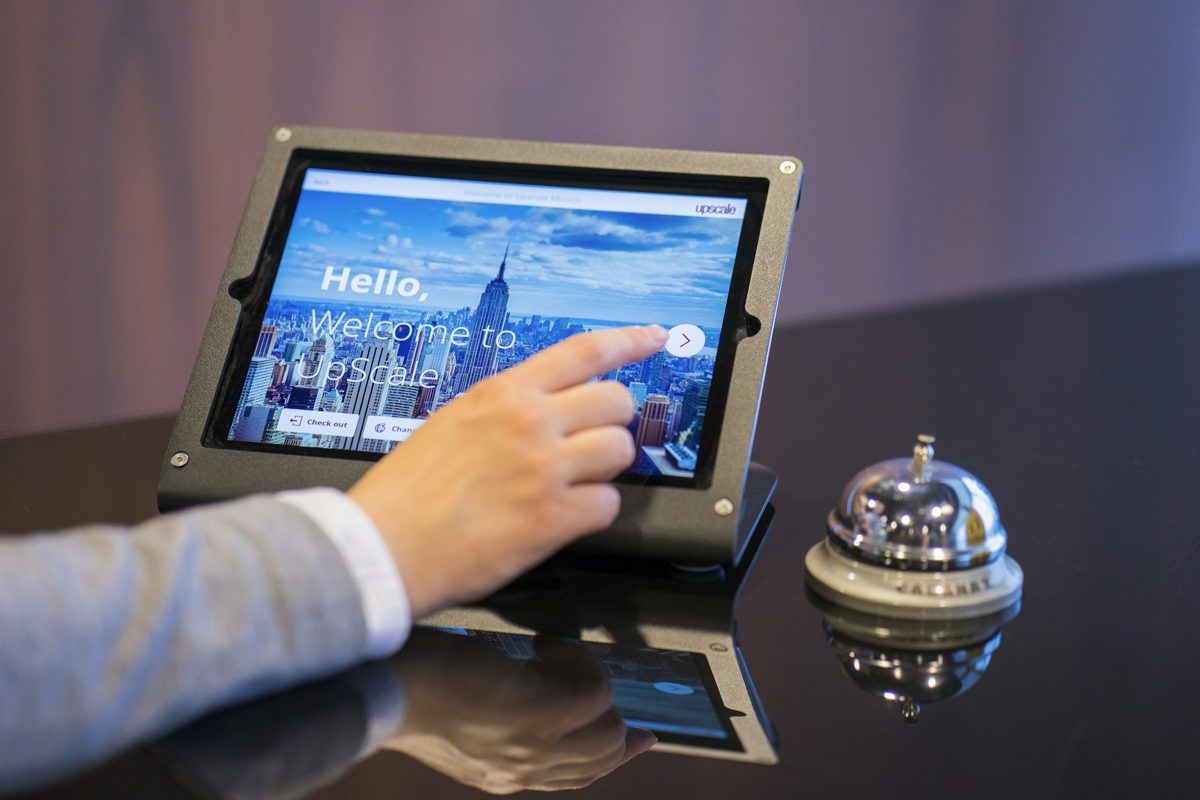
5 ways hotels, restaurants and rentals use AI right now
1. Guest messaging
This is where most properties see the fastest win. The same 20 questions come in every week: check-in time, parking, airport transfer, is breakfast included, can we bring the dog. AI can draft or send those answers in seconds, at 2 a.m., in the guest’s language.
The booking sites are already doing this. In October 2025, Booking.com announced Smart Messenger and Auto-Reply for partners, tools that suggest what to say to guests and answer common questions automatically. Your PMS or guest messaging tool may have something similar. Turn it on for the boring questions and keep a person on anything about money, complaints or special requests.
2. Review replies
Replying to every review matters for Google, Tripadvisor and the booking sites. It also takes forever. AI is good at the first draft. Paste in the review, tell it the guest’s name and one real detail from their stay, and ask for a short, warm reply in your voice. Then edit it. Two minutes instead of ten.
Never let AI reply alone to a bad review. It will either grovel or argue. Use our guide on how to respond to negative reviews for those, and pair it with a steady plan for getting more Google reviews so one bad one does not sit on top.
3. Pricing
Dynamic pricing tools have used this kind of math for years. Now it is everywhere. Airbnb’s Smart Pricing moves your nightly rate up or down based on demand for listings like yours, inside a minimum and maximum you set. Third-party pricing tools do the same across Airbnb, Vrbo and your own site.
The catch: the tool only knows the market. It does not know your villa just got a new pool, or that a wedding block is coming in March. Set a sensible floor and ceiling, and check it weekly. Our guide on how to price your vacation rental walks through the numbers to set those limits.
4. Marketing copy
Menu descriptions, room descriptions, Instagram captions, the monthly email, a job post for a line cook. AI writes a decent first draft of all of it. The trick is feeding it real details. “Write a caption for our fish tacos” gets you mush. “Write a two-line caption for grilled wahoo tacos with mango salsa, caught this morning off the east end, $18, happy hour 4 to 6” gets you something you can post.
Restaurants: if you are short on ideas, start with our list of restaurant marketing ideas and have AI draft the posts for each one.
5. Phones and missed calls
A missed call at a restaurant at 6:30 p.m. is often a missed table. AI phone agents can now answer, take a reservation, give hours and directions, and text a link. For a busy restaurant or a tour operator out on the water all day, this can be worth it. For a quiet 8-room inn, a good voicemail and a fast callback usually does the job.
Where AI fits by business type
Small hotels and inns
Start with guest messaging and review replies. Those two eat the most front desk time. Next, look at the AI features already inside your PMS before you buy anything new.
Restaurants and bars
Start with marketing copy and review replies, then phones if you miss calls at peak. Keep reservations in the system you already use so you are not juggling two.
Vacation rentals and villas
Start with pricing guardrails and messaging templates. Owners with several units get the most from AI here because the same questions repeat across every listing. Our guide to vacation rental revenue management covers what to watch beyond the price tool.
Tours, charters and watersports
Start with phones and messaging. You are on a boat or a trail when people are trying to book. Anything that answers “is the 9 a.m. snorkel trip still open?” while you are out is money.
What AI costs (and what to skip)
Most general AI assistants have a free version and a paid plan that runs in the tens of dollars a month. Check the current price on the vendor’s site before you sign up, because plans change often. AI features inside booking sites and your PMS are often included in what you already pay.
Skip, for now:
- Big “all-in-one AI” platforms with long contracts, unless you already have the basics covered.
- Fully automatic review replies. Guests can tell, and one tone-deaf reply on a complaint costs more than it saves.
- AI-written blog posts with no real local detail. They do not rank and they do not book rooms.
- Chatbots on a website nobody visits. Fix the site and the traffic first.
The part most owners miss: AI search decides who gets booked
Here is the bigger shift. More guests start with an AI answer instead of ten blue links. When someone asks for “a quiet small hotel in Christiansted with a pool,” the answer pulls from your Google Business Profile, your reviews, Tripadvisor, and your own website.
Google says there is no special trick to show up in its AI answers. Its guidance for site owners says the same SEO basics apply: your pages need to be indexed, useful and clear. In plain terms, a fast website that says exactly what you are, where you are and who you are for, plus a steady flow of fresh reviews. If you only rely on Booking.com or Airbnb, the AI often sends the guest there, and you pay the commission.
Curious what that costs you? We built a free tool, the OTA Commission Calculator, that shows what booking sites take from you in a year. Most owners are surprised. A real direct booking website is the piece that lets AI search send guests straight to you. See how to increase direct bookings for the full playbook.
How to start with AI this week
- Pick one job. The task that eats the most hours: messages, reviews or captions.
- Write down your facts once. Check-in time, parking, policies, menu, prices, tone. Paste that into every AI request.
- Turn on the free features first. Check your booking site extranet and your PMS settings.
- Keep a human on money, complaints and anything personal.
- Check your AI search footprint. Ask ChatGPT or Google for the best place like yours in your town. If you are not named, that is your real AI project. Here is how to show up in ChatGPT.
FAQ
How is AI used in the hospitality industry?
Mostly for guest messaging, review replies, dynamic pricing, marketing copy and answering phones. Big chains also use it for forecasting and staffing, but for small properties the wins are in saving front desk and owner time.
Will AI replace hotel or restaurant staff?
Not at a small property. It handles repeat questions and first drafts so your team can spend time on guests. Hospitality is still people looking after people.
What is the best first AI tool for a small hotel?
Usually the one you already pay for. Check your PMS, channel manager and booking site extranet for built-in messaging and review features before buying anything new.
Using AI in hospitality industry work is not about chasing every new tool. It is about getting a few hours back and making sure guests can find you.
Want to see what is costing you bookings right now? Take our free Direct Booking Diagnostic. It takes a few minutes and shows you what to fix first.