Short answer: An AI chatbot for hotels is worth it for a small property when you get a steady stream of the same questions after hours and those questions turn into lost bookings. If your inbox is mostly “is breakfast included?” and “can I check in late?” at 11pm, a good bot pays for itself. If you get five messages a day and answer them fast, skip it and fix your website first.
Most small hotel owners hear the pitch and wonder the same thing: is this a real tool or another monthly bill? Here is the honest owner-to-owner take. What guests actually ask, what a bot can and cannot do, what it costs, and when you do not need one at all.
What an AI chatbot for hotels actually does
The old hotel chatbots were button menus. Click “Rooms,” get a link. Guests hated them. The newer AI versions read a question in plain language and answer it from the facts you give them: your rooms, rates, policies, parking, pets, the beach chair situation, the ferry schedule.
A decent one does four jobs:
- Answers the repeat questions 24/7 on your website, and often on WhatsApp, Instagram and Facebook from one inbox.
- Checks dates and pushes a booking by handing the guest to your booking engine with the dates already filled in.
- Captures the lead when the guest is not ready, so you can follow up with an email instead of losing them to Booking.com.
- Hands off to a human when the question is weird, emotional or high value, like a wedding block or a complaint.
That last one matters more than any feature list. A bot that cannot get out of the way will cost you guests.
What guests ask a hotel chatbot (the real list)
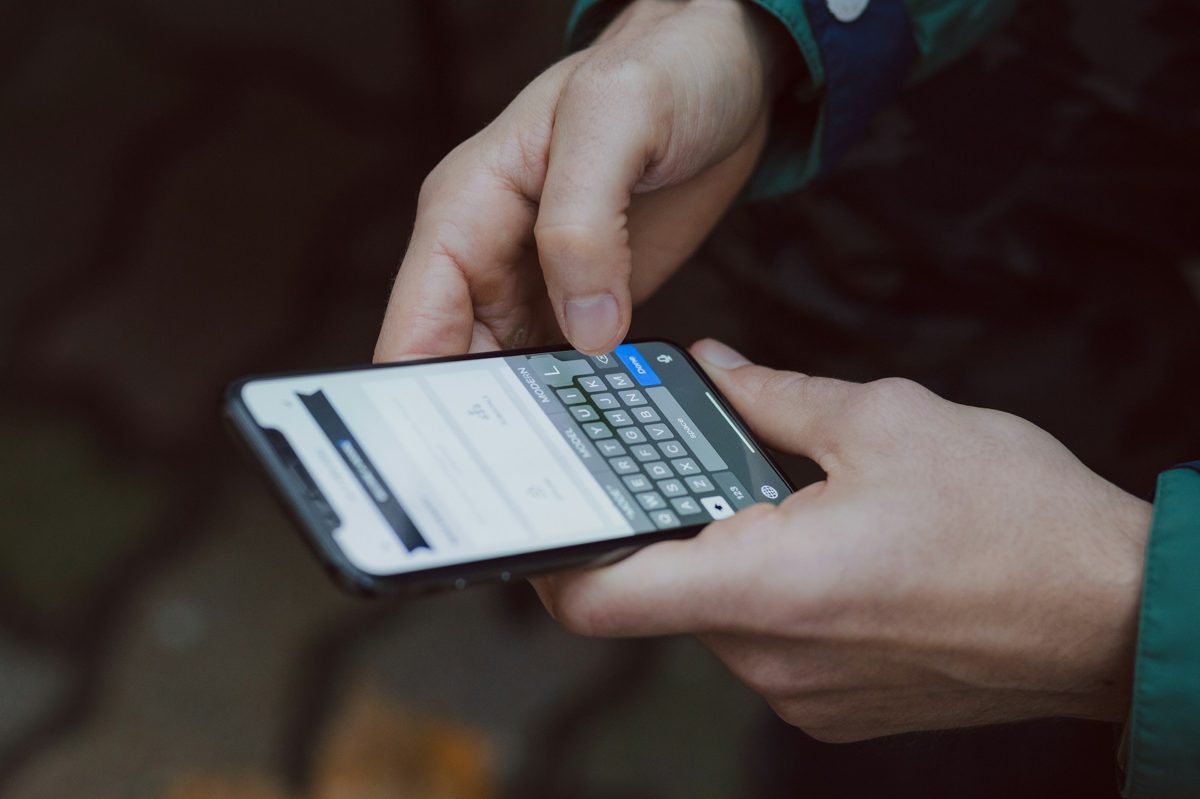
Pull up your last 50 emails, DMs and WhatsApp messages. For most small hotels, villas and inns, 70 to 80 percent of them fall into the same buckets:
- Do you have rooms for these dates, and what is the price?
- Is breakfast included? Is there parking?
- What time is check-in, and can I come in late?
- How far are you from the airport, the ferry or the beach?
- Do you take pets, kids, groups?
- What is your cancellation policy?
Every one of those has a fixed answer. That is exactly the work an AI chatbot for hotels does well. The other 20 to 30 percent (special requests, problems, group quotes) still need you.
The real reason to buy one: after-hours bookings
Here is the math that matters. Say you get 10 booking questions a week after your front desk closes. If half of those guests give up and book somewhere else, or go back to an OTA, that is 5 lost bookings a week. At a $200 average stay, that is $1,000 a week walking out the door.
Now flip it. If a bot answers right away and converts even two of those five into direct bookings, that is $400 a week you keep, with no OTA cut. Run your own numbers in the free OTA Commission Calculator we built to see what each booking you pull off Booking.com or Expedia is worth to you.
That is the test. Not “is AI cool,” but “how many guests am I losing because nobody answered?”
What an AI chatbot for hotels costs
Prices vary a lot and most hotel-specific vendors quote by property. As a reference point, Hotel Tech Report lists starting prices for several popular guest messaging tools in the range of about $200 to $500 a month. Some charge setup fees, some charge per conversation, and some bundle the bot with upsell or check-in tools.
Cheaper paths exist:
- Your PMS or booking engine may already have one. Check your current software before you buy anything new. See our small hotel PMS guide for what the common systems include.
- General website chat tools with an AI add-on can work if you feed them a good FAQ. They usually do not check live availability.
- WhatsApp Business is free and has quick replies, an away message and a greeting message. Not AI, but it covers a lot for a 6-room inn.
One thing that changed: Google ended chat on Business Profiles on July 31, 2024, per Google’s own help page. So guests who find you on Google Maps now call, email or click through to your website. Your site is where the chat needs to live.
Is an AI chatbot for hotels worth it for your property?
Probably yes if:
- You get guest messages at night or across time zones (very common for Caribbean and Riviera Maya properties with US and European guests).
- You answer the same 10 questions every day.
- Your booking engine lets the bot pass dates straight into checkout.
- You are trying to grow direct bookings and cut what you pay the OTAs.
Probably not yet if:
- You get only a handful of messages a day and answer within the hour.
- Your website is slow, hard to use on a phone or has no direct booking button. A bot on a bad site is lipstick on a pig. Start with these direct booking fixes instead.
- Your rates and policies change daily and nobody will keep the bot’s facts updated.
How to set up a hotel chatbot without annoying guests
- Write the FAQ first. Pull your top 30 questions from real messages. Answer each in one or two plain sentences. This is the bot’s brain. Garbage in, garbage out.
- Connect it to your booking engine. The bot’s job is to get the guest to the “Book now” button with dates filled in, not to chat forever.
- Set a clear handoff. “Want me to connect you with Maria at the front desk?” should show up any time the guest asks something off-script or seems upset.
- Collect an email before the guest leaves, so you can follow up.
- Read the transcripts every week for the first month. You will find wrong answers, and you will find questions you never knew guests had. Those make great website copy.
Never let a bot promise things you cannot deliver: room upgrades, refunds, early check-in on a full night. Keep those for a person.
What a chatbot will not fix
A bot answers questions. It does not create demand. If people are not finding you, a chatbot just sits there. Getting found is a different job: Google, reviews, your own website, and now AI assistants like ChatGPT. Our guide on how to show up in ChatGPT covers that side. For the bigger picture of where AI helps a small property and where it is a waste of money, start with our pillar post on AI in the hospitality industry.
And if your website is the weak link, that is the thing we fix. See how we build direct booking websites for small hotels and villas across the markets where we work.
FAQ
Can an AI chatbot for hotels take bookings on its own?
Some can check availability and pass the guest into your booking engine with dates filled in. Payment still runs through your booking engine. Ask any vendor to show you that exact flow on your own site before you sign.
Will guests know they are talking to a bot?
They should. Say so up front (“I’m the hotel’s virtual assistant”) and offer a human. Guests do not mind a bot that answers fast. They mind one that pretends to be a person and gets it wrong.
Do I need a chatbot if I already use WhatsApp?
Not always. A small inn can cover a lot with WhatsApp Business quick replies and an away message. Add AI when the volume gets to the point where you or your team cannot keep up, especially at night.
Not sure where you are losing bookings? Our free Direct Booking Diagnostic looks at your website, Google presence and OTA mix and tells you the first thing to fix. Chatbot or not.