Short answer: AI hotel software is worth paying for at a small property when it takes a real job off your plate: pricing your rooms every day, answering the same guest questions at midnight, picking up the phone when nobody is at the desk, and drafting review replies. Start with the system you already pay for (your PMS), turn on its AI features, and only add a separate tool when you can name the hours or bookings it will save.
Every vendor at every hotel show now says “AI.” Most small hotel and inn owners we talk to in the USVI, the BVI and the Riviera Maya have the same question: which of this is useful for a 12-room property, and which is a demo that looks great and changes nothing? This guide sorts AI hotel software by the job it does, so you can buy for a problem instead of a buzzword.
What AI hotel software actually does
Strip away the marketing and AI hotel software does one of two things. It makes a decision faster than you can (what to charge tonight), or it writes and talks for you (replying to a guest, answering a call, drafting a review response). That is it. If a tool cannot tell you which of those two jobs it does and how much time or money it saves, walk away.
For a small hotel, the jobs that matter break into five buckets:
- Your PMS (property management system), the hub everything else plugs into.
- Revenue management and pricing, so your rates move with demand.
- Guest messaging by email, text and WhatsApp.
- Phones and voice, for the calls you miss.
- Reviews and marketing copy, the writing you never have time for.
Here is how to think about each one.
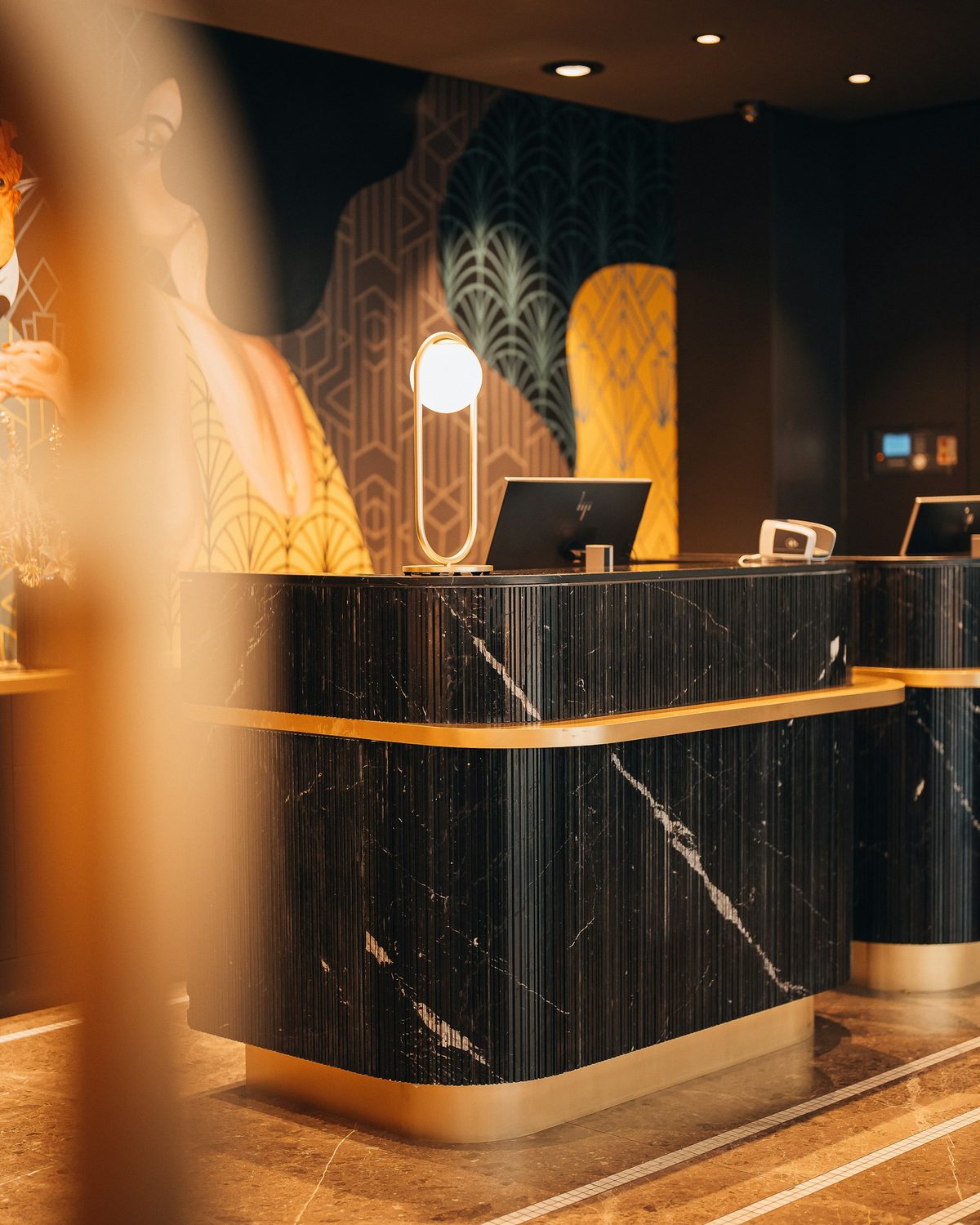
1. Start with your PMS (the AI you may already have)
Before you buy anything new, log into your PMS and look at what is already there. The big platforms for independents have been adding AI features and AI partners all year. In February 2026, for example, Cloudbeds expanded its integration with Climber RMS, an AI revenue management system that reads your rates, reservations and inventory and sends back pricing recommendations you can approve or automate.
That is the pattern to look for. The AI hotel software that works best for a small property is the kind that plugs into your PMS and channel manager with a two-way connection, so a price change or a booking flows everywhere without you copying it by hand. If your current PMS cannot do that, it may be time to switch. Our guide to the best small hotel PMS compares the main options, and what is a hotel PMS covers the basics if you are still on spreadsheets.
2. AI pricing and revenue management
This is where AI hotel software earns its keep fastest. A pricing tool watches your pickup, your competitors, local events and the calendar, then suggests (or sets) your rate for every night. For a small Caribbean property, that means you stop leaving money on the table during Carnival or a cruise-heavy week, and you stop sitting empty in September at a rate nobody wants.
What to check before you sign:
- Does it connect to your PMS or channel manager? No connection, no deal. See our hotel channel manager comparison or the free hotel channel manager options if you need one first.
- Can you set floors and ceilings? You should always control the lowest and highest price the tool can use.
- Does it explain its prices? A good tool tells you why tonight went up. A black box is hard to trust.
Cost: tools built for small properties are usually priced per property or per room per month. PriceLabs, for example, says in its 2026 guide to hotel pricing tools that its plans start at $19.99 a month or about 1% of revenue. Enterprise systems cost far more and are built for chains. Get a quote for your actual room count. New to the idea? Read what is hotel revenue management first.
3. AI guest messaging
Guests ask the same 20 questions over and over. Check-in time, parking, the ferry, breakfast, late arrival. AI guest messaging tools answer those from your own facts, in email, SMS or WhatsApp, and hand anything unusual to a person. The good ones also push a guest who is “just asking” straight into your booking engine with their dates filled in.
If most of your questions come through the chat window on your website, read our honest take on an AI chatbot for hotels before you buy. For a lot of small properties, WhatsApp Business quick replies cover 80% of it for free.
4. AI phone answering for hotels
Missed calls are missed bookings, and a small hotel misses plenty: during check-in rush, at night, on the owner’s day off. Canary Technologies, for example, launched a suite of AI voice assistants for hotels covering front desk calls, concierge questions, central reservations and bookings. In that announcement the company says hotels miss up to 40% of their calls. That is a vendor number, so check it against your own phone logs, but most owners know the real figure is not zero.

Before buying, pull one week of call logs. If you miss five calls a week and most are “what’s your address,” a voicemail script will do. If you miss 30 and some of them are people trying to book four nights, an AI phone agent pays for itself quickly.
5. AI for reviews and marketing copy
This is the cheapest AI hotel software of all, because you probably already have it. A general assistant like ChatGPT can draft review replies, room descriptions, welcome emails and job posts in seconds. You still read and edit every word. Our list of 15 ChatGPT prompts for hospitality owners gives you copy-paste prompts, and how to respond to negative reviews covers what to say when the review stings.
Reply to every review on your Google Business Profile. Guests read the replies, and so do the AI assistants that now recommend hotels. A short, specific, human reply beats a long generic one every time.
How to choose AI hotel software without wasting money
Use this filter for any tool a rep puts in front of you:
- Name the job. Pricing, messaging, phones or writing. If the pitch covers all four, ask which one it is best at.
- Count the cost of the problem. Missed calls, slow replies, flat rates. Put a dollar number on it.
- Check the connection. It must talk to your PMS, channel manager or booking engine.
- Run a 30-day test. Month to month if you can. Measure the one number it promised to move.
- Keep a human in the loop. Refunds, upgrades, complaints and big group requests stay with a person.
What AI hotel software will not fix
None of these tools fixes a weak website or a heavy reliance on Booking.com and Expedia. A smart pricing tool that sends every guest to an OTA still pays 15 to 25% on each booking. We built a free OTA Commission Calculator so you can see exactly what that costs you each year. The fix is a website that sells your rooms directly, which is what we build: see our direct booking websites. For the wider view of where AI helps and where it is a waste, start with our pillar on AI in the hospitality industry.
FAQ
What is the best AI hotel software for a small hotel?
There is no single best. For most small properties the order is: a PMS with good integrations, then an AI pricing tool, then guest messaging. Add AI phone answering only if your call logs show you are missing real bookings.
How much does AI hotel software cost?
It ranges widely. General assistants like ChatGPT have free and low-cost plans. Small-hotel pricing tools are usually a monthly fee per property or per room. Enterprise revenue systems cost far more. Always ask for a quote based on your actual room count.
Will AI replace my front desk staff?
No. It takes the repeat questions and the 2am calls so your team can focus on guests in front of them. Small hotels win on personal service, and AI should protect that time, not replace it.
Keep reading
Not sure which problem to fix first? Our free Direct Booking Diagnostic looks at your website, Google presence and OTA mix and tells you the one thing to fix first, AI or not.