Short answer: the restaurant marketing strategies that work in 2026 are the boring ones you can run every week without a budget. Own your Google Business Profile, build a guest list you control, give locals a reason to come back, and do the math before you hand a third party 25 percent of a ticket. Everything else is decoration.
We work with independent restaurants, bars and hotels across the U.S. Virgin Islands, the wider Caribbean and the Riviera Maya. The owners who grow are not the ones posting the most. They are the ones who picked three things and stuck with them through a slow September.
First, understand where your guests actually are
Most people decide where to eat on a phone, within a couple of hours of eating. They are not browsing your website. They are searching a cuisine, a neighborhood, or a dish, then looking at a map.
That matters because it tells you where to put your effort. A restaurant with a neglected Google listing and a beautiful Instagram grid is losing money every single day. The reverse is almost never true.
The backdrop is tight. The National Restaurant Association projects industry sales of about $1.55 trillion in 2026, but most of that growth comes from menu pricing rather than more people walking in, and only 42 percent of operators said they were profitable last year. Traffic is not going to show up on its own. You have to go get it.
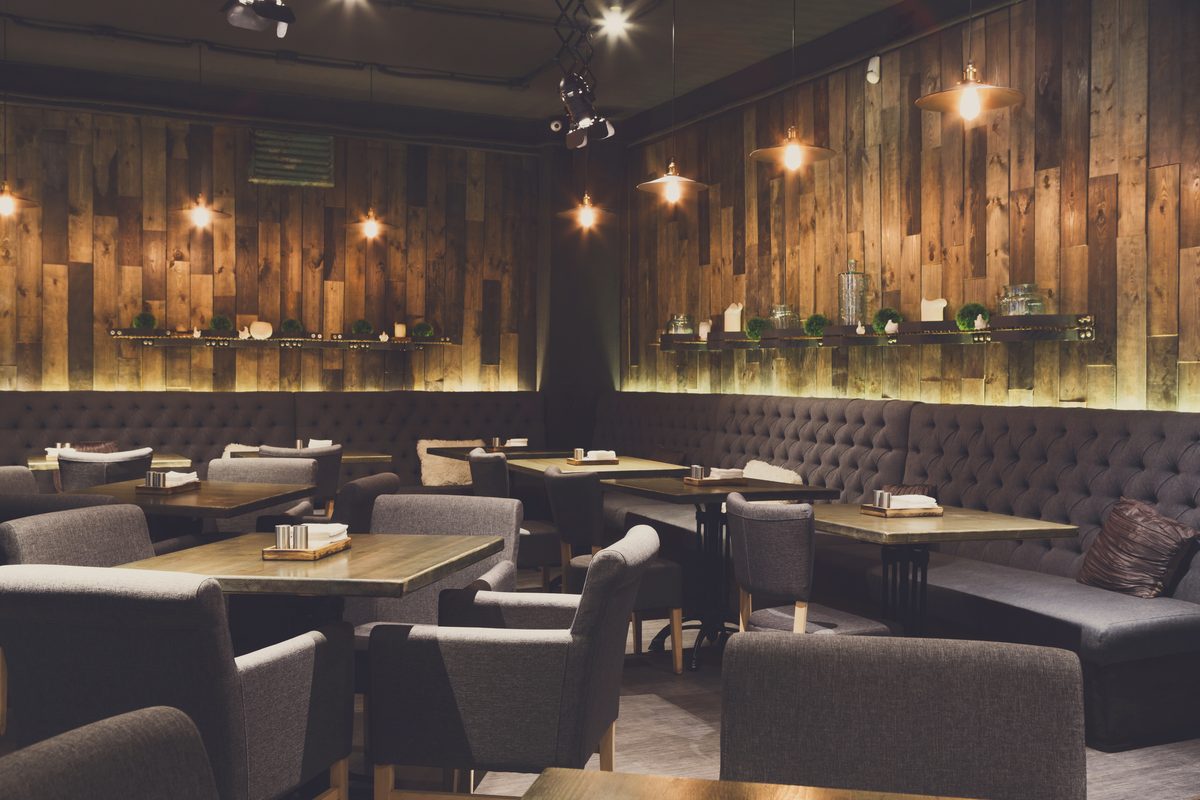
The restaurant marketing strategies that pay for themselves
Here are the four we run first for every restaurant client, in order. Each one costs time, not money.
1. Fix your Google Business Profile before anything else
Your profile is your storefront now. Claim it, verify it, and then treat it like a living page instead of a set-and-forget listing.
- Hours that are actually correct, including holidays and off-season changes. Wrong hours is the fastest way to lose a table forever.
- A real menu link that goes to a page on your site, not a PDF and not a delivery app.
- Twenty or more current photos. Food, room, bar, exterior at night. Replace them every quarter.
- Categories set precisely. “Caribbean restaurant” and “seafood restaurant” pull different searches.
- Every review answered, good and bad, within a few days. We wrote out the wording in how to respond to negative reviews.
Google publishes the rules for all of this in its Business Profile help center. Read the guidelines once so you do not get your listing suspended for something silly like keyword stuffing your business name.
2. Build a guest list you own
Followers are rented. An email list is yours. If a platform changes its rules tomorrow, the list still works.
Collecting addresses is easier than owners think. A card on the table with a QR code. A line on the reservation confirmation. A birthday club sign-up at the host stand. Two hundred good local addresses beat five thousand followers who live somewhere else.
Then use it. One email a month is enough: what is new on the menu, one slow night worth showing up for, one story about the kitchen. If you are picking a platform, we compared the two most operators land on in Mailchimp vs Klaviyo.
3. Give locals a structural reason to return
Tourist towns train owners to think about the next arrival. That is backwards in the off season. Locals are the ones who keep a dining room warm in September, and they respond to being recognized rather than discounted.
A punch card works. A named regulars list at the bar works. A standing Tuesday deal that never changes works, because people can plan around it. We laid out the ones that hold up in restaurant loyalty program ideas.
4. Protect the covers you already have
The cheapest table to fill is the one you already booked and then lost. No-shows and empty prime-time slots are pure margin walking out the door. A confirmation text the morning of, and a clear cancellation window, recovers more revenue than most ad campaigns. The full approach is in how to reduce restaurant no-shows.
Do the commission math before you scale delivery
Third-party delivery is a legitimate channel. It is also expensive, and a lot of operators have never done the arithmetic on what it costs them per year.
DoorDash publishes its rates openly: 15 percent commission on the Basic plan, 25 percent on Plus and 30 percent on Premier for app orders delivered by a Dasher, with pickup at 6 percent across all plans. You can see the tiers on the DoorDash merchant commission page.
Run it on your own numbers. A restaurant doing $12,000 a month in delivery on the Plus plan hands over $3,000 a month, or $36,000 a year, before food and labor. That is a full-time employee. It might still be worth it if those orders are genuinely incremental. It is not worth it if you are paying a quarter of the ticket on regulars who would have called you directly.
We built a free OTA commission calculator for hotels doing the same math on Booking.com and Expedia. The logic is identical for delivery apps. Put your volume in, see the annual number, then decide.
Restaurant marketing strategies that are usually a waste of time
Being honest about what to skip is half the value of a plan.
- Posting daily to build a following. Three good posts a month with real photos of real plates does more than thirty rushed ones.
- Paid ads before the basics are fixed. Ads pointing at a broken Google listing or a site that will not load on a phone just buy you bounces.
- Deep discounting. Twenty percent off trains people to wait for twenty percent off. Add value instead, like a free starter for the email list.
- Chasing every new platform. Pick the one your guests already use and go deep.
If you want a longer version of what to do rather than what to skip, there is a zero-budget playbook in how to increase restaurant sales without advertising.
How to sequence this over 90 days
Do not start all four at once. You will drop all four.
- Weeks 1 to 2: Google Business Profile. Photos, hours, menu link, categories, and every open review answered.
- Weeks 3 to 6: Start collecting emails. Table card, confirmation line, host stand. Send the first one at week 6.
- Weeks 7 to 10: Launch one loyalty mechanic and one standing slow-night offer.
- Weeks 11 to 12: Pull your delivery numbers, run the commission math, and decide what changes.
If you want this written down as a document your team can follow, use our restaurant marketing plan template. And if you run a place in the islands, here is where we work and what we handle locally.
Frequently asked questions
What are the most effective restaurant marketing strategies for a small independent place?
Google Business Profile first, then an email list, then a loyalty mechanic for locals. Those three take no ad spend and compound every month. Everything else is optional until they are running.
How much should a restaurant spend on marketing?
Most independents land between 2 and 5 percent of revenue, but the more useful question is time. Two focused hours a week on the profile and the list will beat a $2,000 ad budget with nothing behind it.
Is social media still worth it for restaurants?
Yes, as a proof channel rather than a discovery channel. People find you on a map, then check your photos to decide. That means the job of social is to look current and appetizing, not to post every day.
Want a second opinion on your setup?
We run a free Direct Booking Diagnostic that looks at how you show up in search, how much you are paying third parties, and what to fix first. No pitch, just the list. Grab it here and we will send it back within a couple of days.