Short answer: how to start a fishing charter business comes down to five moves in order: get your USCG captain’s license, register the business and insure the boat, line up the state and federal fishing permits your waters require, put a real booking system and website in front of buyers, and price your trips so a slow Tuesday in October doesn’t sink your season. Skip the order and you’ll sink money into a boat before you know if the license and permits even line up for your waters.
Most new operators start with the boat. That’s backwards. The boat is the easiest part to finance and the hardest part to sell if the licensing or the market doesn’t work out. Anyone serious about how to start a fishing charter business the right way starts with the paperwork, the permits, and a real look at demand in their waters, then buys the boat that matches what they can actually book.
How to Start a Fishing Charter Business: License and Permit Checklist
Before you touch a dock lease or a boat listing, you need a USCG captain’s license. For most charter operators that’s the OUPV, commonly called the “six-pack” license, which lets you carry up to six paying passengers. To qualify you generally need 360 days of documented sea service (at least 90 of those in the last three years), a current medical certificate with vision testing, a clean drug test from the last 185 days, and CPR and first aid certification, per the U.S. Coast Guard’s National Maritime Center. Budget $1,000 to $1,500 and a few months of lead time for the school, the exam, and the paperwork, because this is the one step you can’t shortcut or outsource.
Once the license is in hand, check what your waters require beyond it. If you’re fishing for tuna, billfish, swordfish, or sharks in Atlantic or Caribbean waters, you likely need an Atlantic Highly Migratory Species charter/headboat permit, which NOAA Fisheries ties to the vessel and requires renewing every year. Gulf operators need a separate reef fish for-hire permit, and most states layer on their own charter or guide license on top of the federal paperwork. Call your state wildlife agency before you assume one license covers you everywhere you want to run trips.
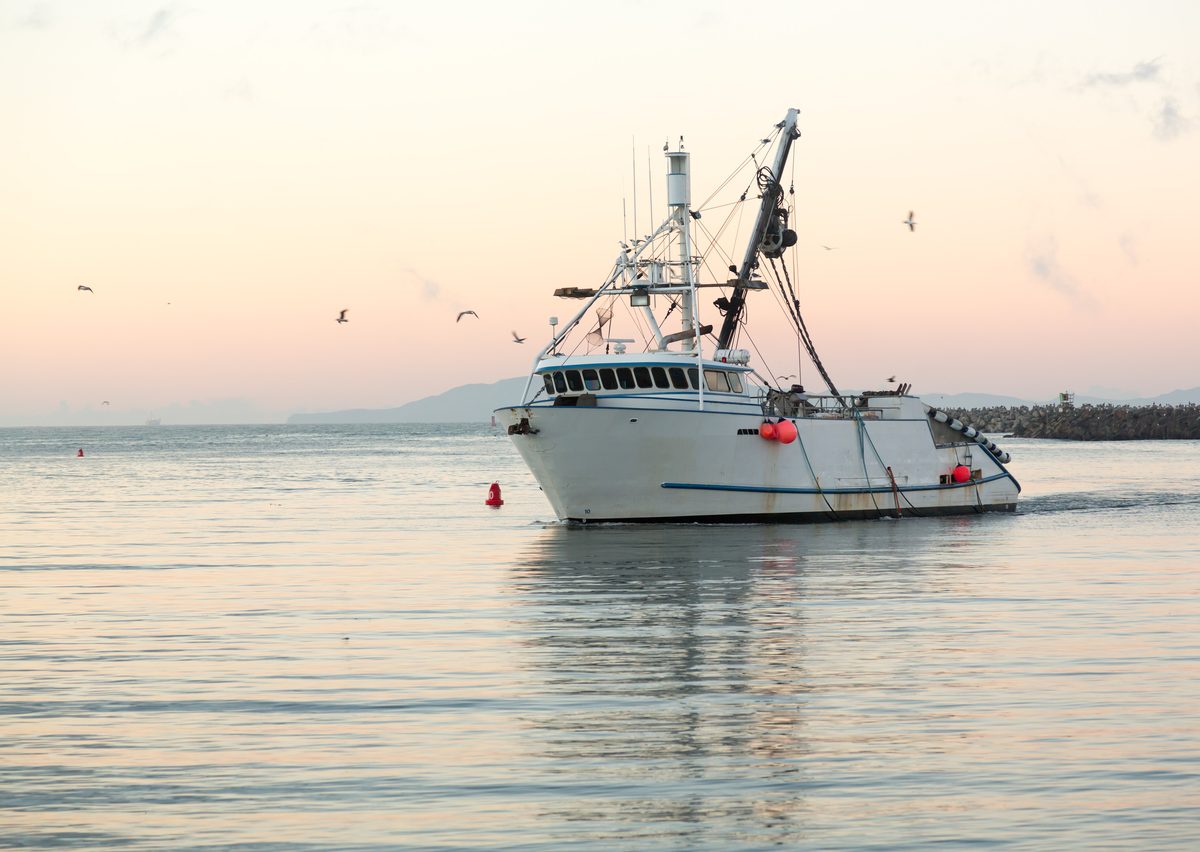
What It Actually Costs to Start
Startup costs run anywhere from $50,000 for a used center console with basic gear to $500,000 or more for a new offshore boat built for six-pack charters. The boat is the biggest line item, but it’s not the only one. Budget for an LLC and EIN through your state, a county or city business license, a sales tax permit if your state taxes charter trips, and enough cash reserve to cover three to six months of dock fees and insurance through a slow season.
Ongoing costs add up fast: dock or slip fees typically run $2,000 to $5,000 a month depending on your market, fuel runs roughly a gallon per mile at cruising speed, and maintenance eats 5 to 15% of the boat’s value every year. None of that shows up in the sticker price, and it’s the number that actually determines whether year two is profitable.
Insurance the Coast Guard and Your Bank Will Both Ask About
General liability alone runs $400 to $1,100 a year for $1 million in coverage, but a for-hire fishing operation needs more than that. Plan on Protection and Indemnity (P&I) marine coverage, hull and machinery insurance on the boat itself, and workers’ comp the day you hire a first mate. Every charter also needs the safety gear the Coast Guard actually checks at a dockside exam: PFDs for every person aboard, fire extinguishers sized to the vessel, visual and sound signaling devices, a VHF radio, and a stocked first aid kit. Skip the inspection and you’re not legally allowed to take a paying customer out, license or not.
How to Book Your First Season
Licensing gets you legal to operate. It doesn’t get you booked. This is where most new operators underinvest, because they spend everything on the boat and nothing on the funnel that fills it. You need three things working together: a mobile-first website that actually converts a visitor into a deposit, a booking system that handles scheduling and payment without you answering the phone all day, and a plan for how much of your business runs through OTAs like Viator and GetYourGuide versus your own site.
That last piece matters more than most new operators realize. Viator and GetYourGuide both take a real cut of every booking, and if that’s where all your trips originate, you’re paying a tax on your own business every single season. Our breakdown of what GetYourGuide actually charges operators and our guide to Viator’s commission structure both walk through the real math. We also built a free OTA Commission Calculator so you can see exactly what you’re giving up on every trip before you build your pricing around it.
For the booking software itself, our comparison of FareHarbor vs. Peek Pro covers the two platforms most fishing charters end up choosing between, and our roundup of the best booking software for tour operators goes wider if neither fits. Get pricing right from day one too. Our guide on how to price your tours walks through the formula so your first-season rates cover fuel, dock fees, and your own time, not just the boat payment.
Where Fishing Charters Are Booming Right Now
Charter fishing is a strong business to be in across the Caribbean right now. The USVI and BVI have year-round warm water, a steady flow of tourists who came specifically to fish or dive, and a shoulder season that locals fill if you build a repeat-guest program instead of chasing one-time tourist bookings. Riviera Maya is close behind, with sailfish season alone drawing anglers from across the US and Canada every winter. If you’re weighing where to base a new operation, our guides to marketing a charter business in Tortola and tour operator marketing both cover the local playbook for getting booked out in these waters, not just generic advertising advice.
FAQ
Do I need a captain’s license to run a fishing charter business?
Yes. If you’re taking paying customers out on your own boat, you need a USCG OUPV (six-pack) license at minimum, which requires 360 days of sea service, a medical exam, a drug test, and CPR/first aid certification through the National Maritime Center.
How much does it cost to start a fishing charter business?
Most new operators spend $50,000 to $500,000+ depending on the boat, with the license, permits, insurance, and first season of dock fees adding several thousand more on top. Used boats with basic gear sit at the low end; new offshore-rated boats built for six-pack charters sit at the high end.
Do I need a federal permit in addition to my captain’s license?
Often, yes. If you’re targeting tuna, billfish, swordfish, or sharks in Atlantic or Caribbean waters, you likely need a NOAA Fisheries Atlantic HMS charter/headboat permit tied to your vessel, renewed annually. Gulf operators need a separate reef fish for-hire permit, and most states add their own charter or guide license on top.
Want help getting your first season booked instead of guessing at it? Grab a free Direct Booking Diagnostic and we’ll show you exactly where a new charter operation should be putting its marketing dollars first.