Short answer: how to start a boat rental business comes down to seven moves in order: pick self-drive or captained rentals, get the right license and insurance, size your fleet to cash you can actually afford, price by the half day, put a real booking system with digital waivers online, sell direct instead of through marketplaces, and plan for the slow months before the season starts. Do them out of order and you end up owning boats that sit at the dock.
Most new operators start by shopping for boats. That is backwards. The boat is the easy part to buy and the hardest part to unwind if the numbers do not work. Anyone serious about how to start a boat rental business begins with the rules, the insurance quote, and a hard look at how many days a year people will really pay to be on your water.
How to Start a Boat Rental Business: The Seven Steps
Here is the order that keeps you out of trouble.
Step 1: Choose Self-Drive or Captained
This one choice decides your license, your insurance, your staffing, and your margins. Self-drive rentals (pontoons, center consoles, jet skis) put the renter at the helm. Captained rentals put you or your crew at the helm with paying passengers aboard.
According to the Rental Tide operator guide, self-drive rentals do not require a Coast Guard captain’s license, while any trip where you or your staff run the boat with passengers does. Local marina permits and state livery rules also vary a lot, so call your state boating agency and your harbor master before you spend a dollar.
Step 2: Get the License and Insurance Locked Down
If you plan to run captained trips, you need a USCG captain’s license. For up to six paying passengers that is the OUPV, often called the six-pack license. The Coast Guard’s National Maritime Center lists the sea service, medical, and testing requirements, and the process takes weeks, not days.
Insurance is the other gate. Rental Tide suggests budgeting roughly $1,500 to $3,000 per boat per year for commercial coverage, with at least $1 million in general liability. Marketplaces like Getmyboat also require commercial liability coverage before you can list paid trips, per their own owner guide. Get quotes before you buy anything. Some insurers will not touch certain boat types or waters, and that can kill a plan in one phone call.
Step 3: Size Your Fleet to Your Cash, Not Your Dreams
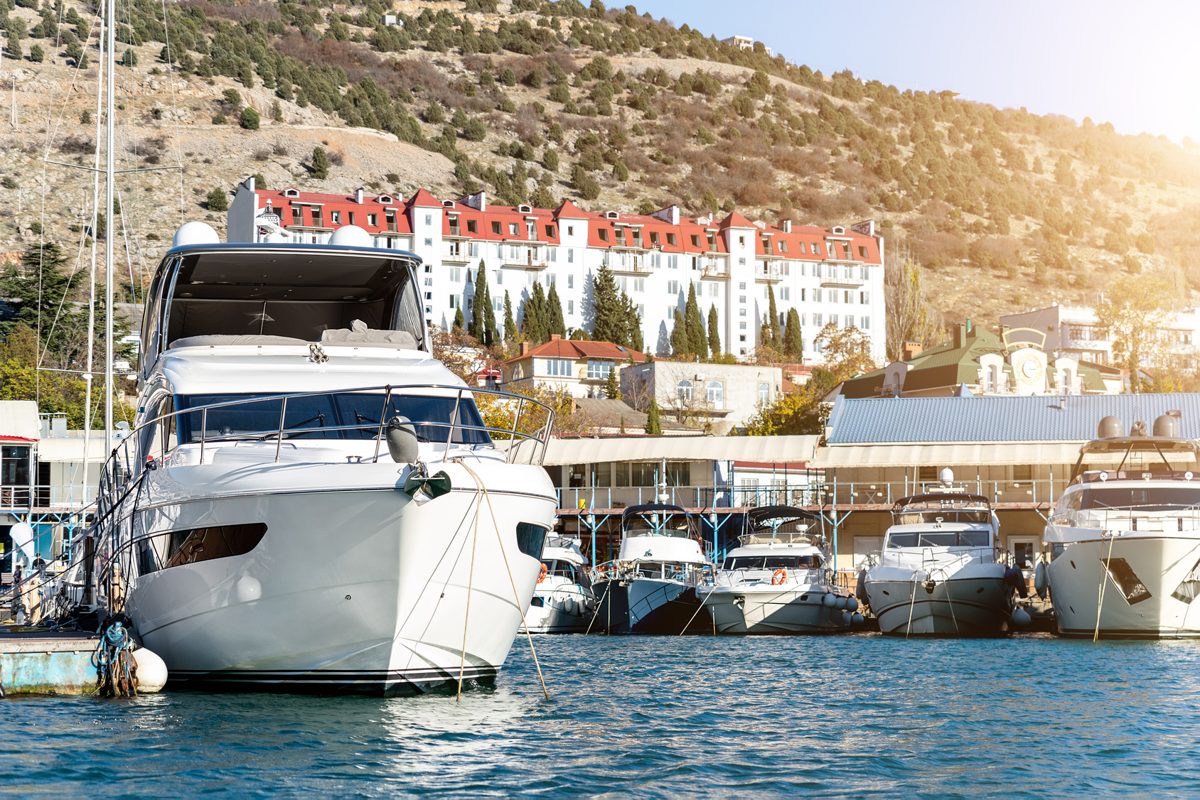
Rental Tide pegs a four-pontoon starter fleet at roughly $119,000 to $246,000 all in once you add refurbishing, first-year insurance, and marina slips. Your numbers will differ by market, and Caribbean docks and import costs usually push them higher. The point is the shape of the spend: the boats are less than two thirds of it.
If you are working out how to start a boat rental business on a tight budget, start with two or three boats you can keep booked, not ten you hope to fill. A used boat with a clean maintenance record beats a shiny new one you financed at a rate that eats your first season. If you are in the USVI, BVI, or Riviera Maya, remember that your high season is short and your insurance and dock fees run all year. Plan cash for the gap.
Step 4: Price by the Half Day
Hourly pricing sounds simple and trains guests to book one cheap hour. Half-day and full-day blocks fill the calendar and cut the number of handoffs you have to run. Rental Tide reports typical ranges of $300 to $600 for a half day and $500 to $1,000 for a full day on pontoon-class boats, with peak weekends running 25 to 50 percent higher. Treat those as a sanity check, then price to your own market and your own costs.
Add fuel, a refundable damage deposit, and captain fees as clear line items. Surprise charges at the dock are how you earn a bad review. For a deeper walk-through of building rate sheets, read our guide on how to price tours, because the same half-day logic applies.
Step 5: Get a Booking System and Digital Waivers Online
Nobody wants to text you to ask if Saturday is open. You need live availability, online deposits, and a signed waiver before the guest ever shows up. Our breakdown of booking software for tour operators and the FareHarbor vs Peek Pro comparison cover the main options. For the paperwork side, see waiver software for tour operators.
Waivers and safety briefings are not busywork. They are your first line of defense when a renter docks hard or ignores the rules. Whatever tool you pick, have your attorney read the waiver language once, in your state.
Step 6: Sell Direct and Stop Handing Away 20 Percent
Marketplaces are a fine way to get your first bookings. They are a terrible place to live. Commission-based listings take a cut of every trip, and you do not own the guest, so there are no repeat bookings, no email list, and no pricing control. We built a free OTA Commission Calculator so you can see what that cut costs you over a season, and our post on GetYourGuide commission shows how it adds up for operators.
The fix is simple. Put a fast, mobile-friendly direct booking website in front of your own customers, claim your Google Business Profile, and collect every guest’s email at checkout. Rental Tide notes that over 75 percent of boat rental bookings come from mobile devices, so test the site on a phone, not just your laptop. More ideas live in our tour operator marketing playbook.
Step 7: Plan the Slow Months Before They Hit
Every rental operator has a calendar with a fat summer and a thin shoulder season. Every guide on how to start a boat rental business skips this part. Decide now how you will use the quiet weeks: weekday discounts for locals, boat-and-lunch bundles with a restaurant down the dock, corporate or wedding party blocks, and winterization or haul-out on a schedule. If you add captained trips later, our guides on starting a fishing charter business and yacht charter marketing pick up where this one leaves off. Working in the BVI? See how we help operators on Tortola.
FAQ: Starting a Boat Rental Business
Do I need a license to rent boats?
For self-drive rentals, you generally do not need a Coast Guard captain’s license, but state and local livery or marina rules still apply. If you or your crew operate the boat with paying passengers, you need a captain’s license such as the OUPV. Always confirm with your state boating agency.
How much does it cost to start a boat rental business?
Learning how to start a boat rental business means planning for six figures for a small fleet once you include the boats, insurance, and dock fees. One industry guide puts a four-pontoon fleet at about $119,000 to $246,000. Start smaller if you can.
How do I get my first customers?
List on one marketplace to get early bookings, then send every guest to your own site for repeat trips. Ask for a Google review after each rental and collect emails so you can rebook them next season.
Not sure where your bookings are leaking? Run our free Direct Booking Diagnostic and we will show you where to start.